What you can do!
FIVE THINGS YOU CAN DO
TO PROTECT THE LAKE!
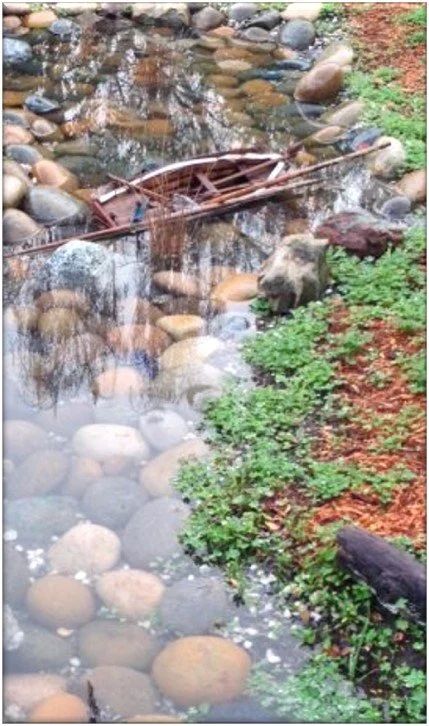
Reduce Nutrient Runoff from Property
● Minimize the use of fertilizers, especially those containing phosphorus, on lawns and gardens near the lake.
● Create a vegetated buffer zone of native plants along the shoreline to filter runoff before it enters the lake.
● Rake leaves and pine needles out of inlets or ditches that feed into the lake. This reduces nitrogen and phosphorus, which are key drivers of algal blooms.
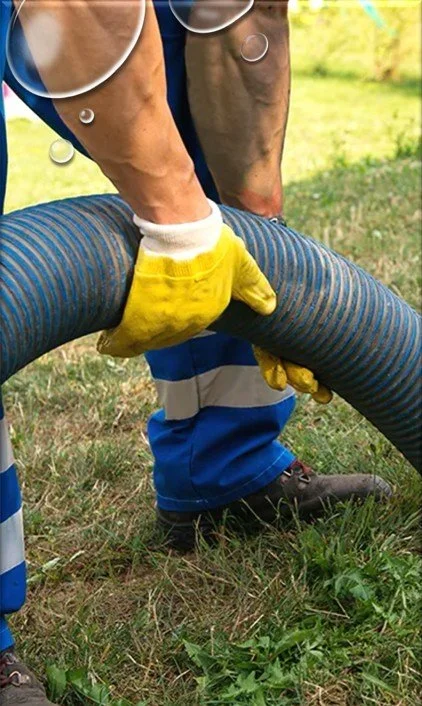
Maintain, Pump, or Upgrade Septic Systems
● Ensure septic systems are properly maintained and inspected regularly to prevent leaks or failures.
● Upgrade outdated systems to modern, efficient ones that better treat wastewater, as leaking septic systems can release large amounts of nutrients into the lake water. This release can happen slowly or rapidly.
● If you live along a part of the lake with high algae, then you and your neighbors should consider pumping out your septic tanks more often.
Control Erosion and Sedimentation
Stabilize soil on your property by planting ground cover or using erosion-control measures like retaining walls or rain gardens.
01
Avoid disturbing soil near the lake, as sediment carries nutrients that fuel eutrophication.
02
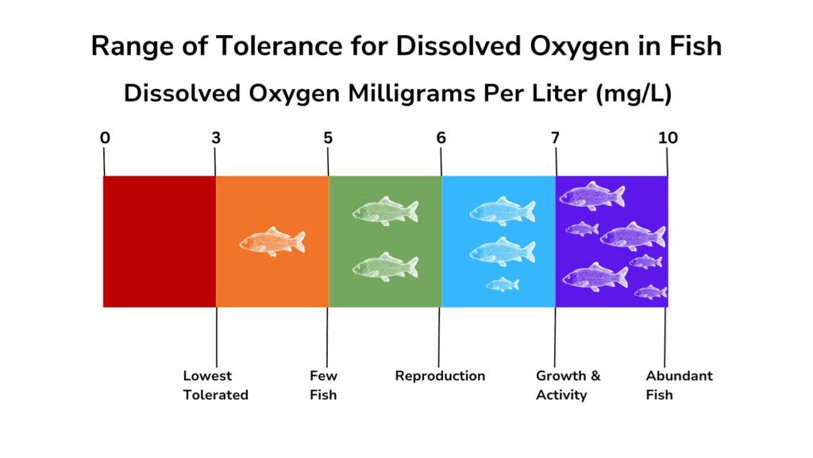
When organic matter undergoes composting process in the lake, the oxygen dissolved in the water is used up. Fish need that oxygen, and so FISH can die off if too much of the oxygen is consumed by composting of materials in the lake.
03
Limit Impervious Surfaces
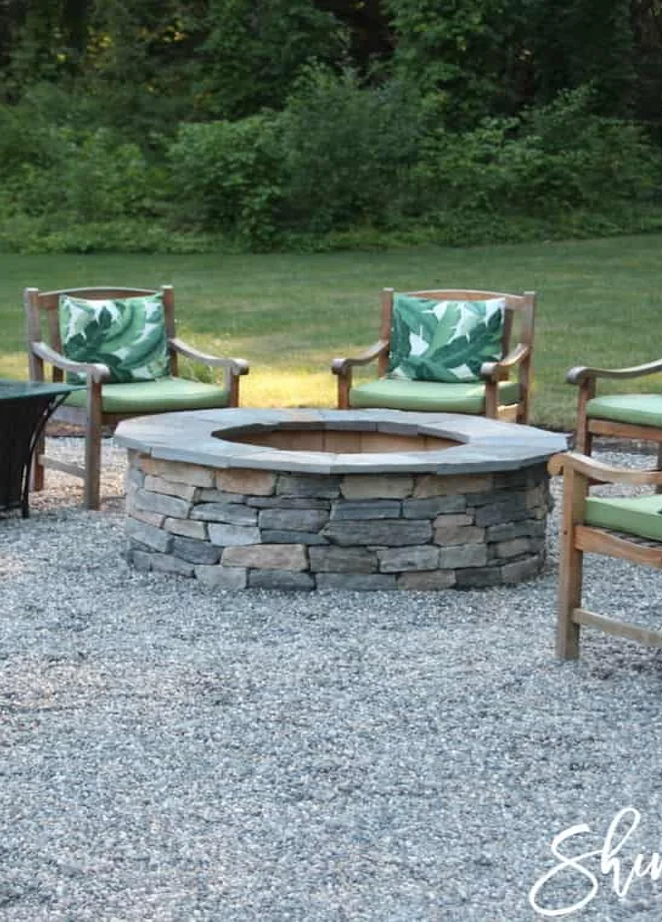
● Reduce hard surfaces like driveways or patios that increase direct storm runoff.
● Use permeable materials for walkways or driveways to allow water to infiltrate the ground, thus allowing nutrients to be drawn up into trees and other plants before those nutrients can flow into the lake, driving growth of Algae and cyanobacteria.
Keep Your Stumps
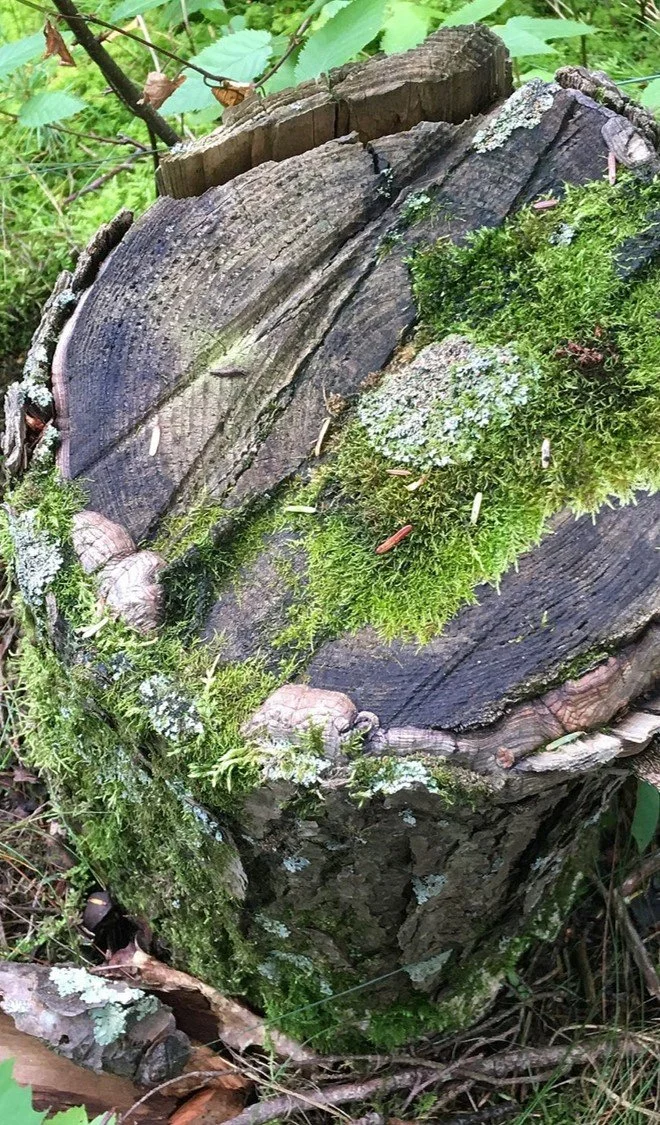
● Below the ground, tree roots inter-mesh with roots of Neighboring trees. This meshing keeps the soil from erosion and it also helps a group of trees resist being blown down by high winds.
● Keeping stumps allows time for nearby trees to grow into gaps created by tree you cut down, and it keeps a strong root mass in place during the period of new growth.
● Blown-over trees cause significant release of soil nutrients into the lake.
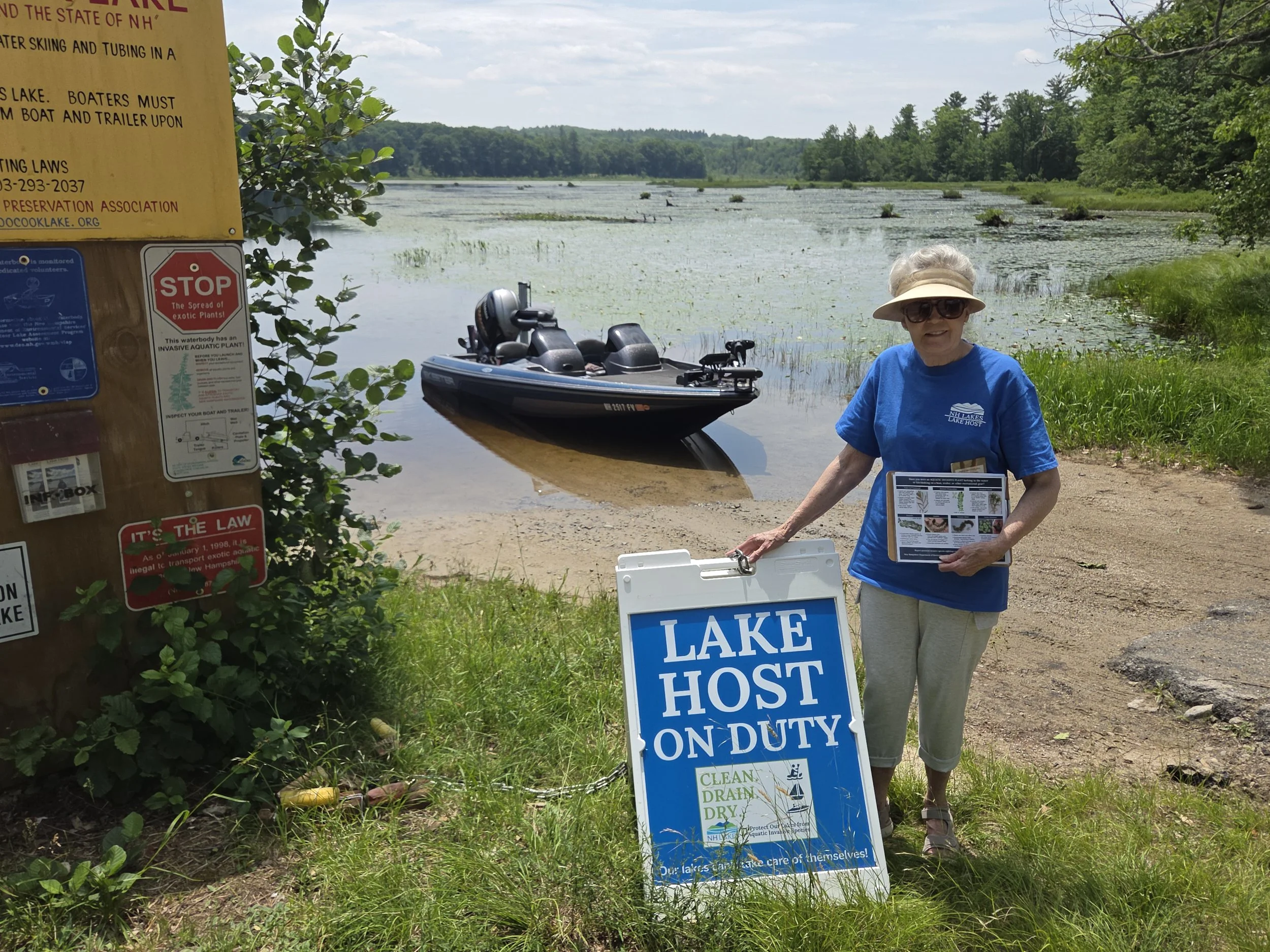
Volunteer as a Lake Host
You can help protect our lake by becoming a Lake Host Volunteer. If interested, contact Mark LeBoeuf, the Lake Host Coordinator, at mark@quabbininc.com or 978-257-1865.
Be a Weed Watcher
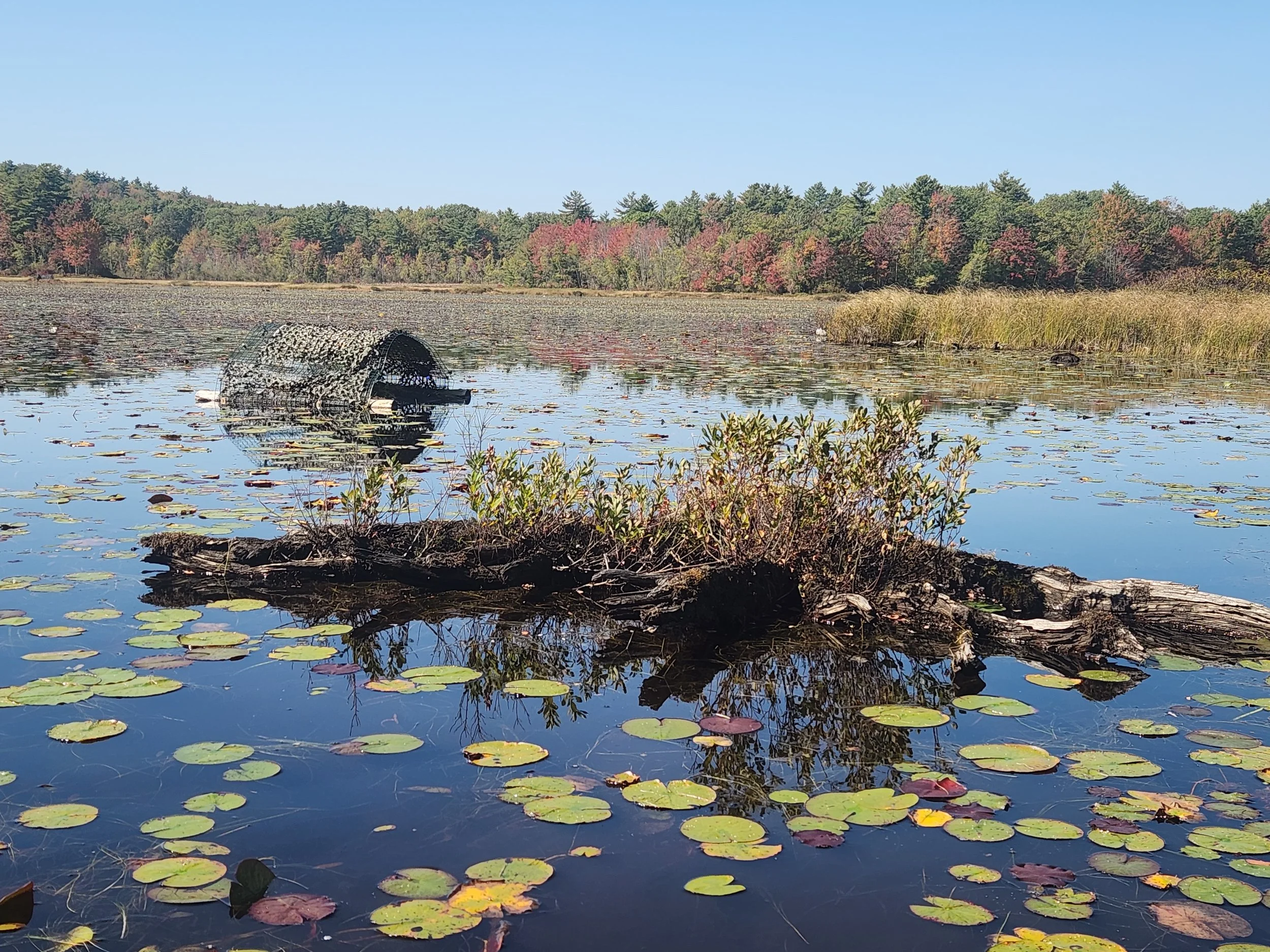
You can keep your eye out for milfoil patches and other invasives as a Weed Watcher.
Join a Committee
CLAPA’s Board meets quarterly and includes active sub-committees in the areas of Invasive Species Control, Water Quality Monitoring, Finance, Communications, Membership Outreach, and Merchandise.

We welcome and encourage participation from our membership-at-large to help with any of the Board’s sub-committee work, or any of our special activities.
If you are interested in helping out on one of our sub-committees, or perhaps in joining our Board as openings occur, contact Mike Golibersuch at clapalake@gmail.com.

New Ideas Welcome!
If you would like to propose a new idea and help to make it work, contact us any time at clapalake@gmail.com!