Lake Health
Milfoil/Invasives
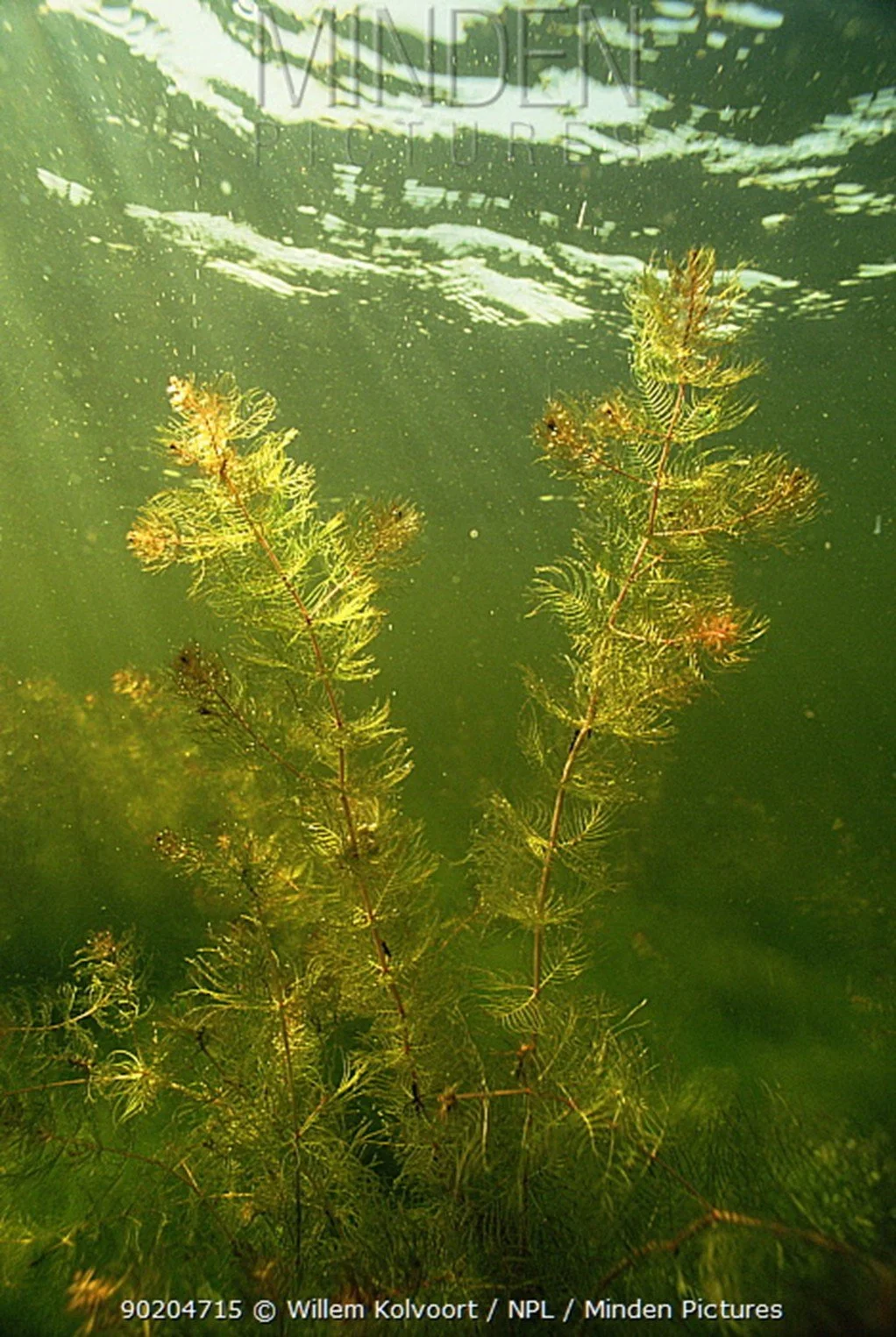
Invasive variable milfoil is a well-known problem in Contoocook, but there are other invasive plants and animals that pose a threat to our lake as well. Click HERE to learn more about how to identify milfoil and other invasive plants and animals.
CLAPA works each summer to control the spread of milfoil by contracting for diver harvesting and occasional chemical treatments. And our Lake Host program of voluntary boat inspections is designed to detect and remove invasives before they make it into the lake, and before they leave our lake bound for another water body.
You can help reduce the spread of milfoil by reporting the location of any milfoil you see via email to clapalake@gmail.com. Milfoil float markers to mark sightings will also be available at the boat ramp during Lake Host hours or pick-up can be arranged via email: mark@quabbininc.com or 978-257-1865.
Chinese Mystery Snails
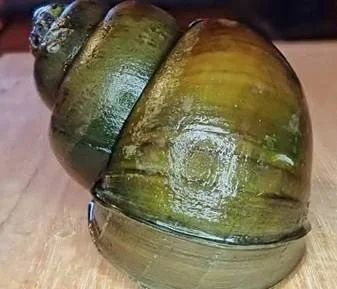
In late July 2026 NHDES confirmed the presence of Chinese Mystery Snails in Contoocook Lake. Snail populations can increase rapidly and cause a number of water quality issues:
Create the conditions for algal blooms
Serve as a host for various parasites which can sicken or kill fish and waterfowl
Stink when washed ashore
Are sharp underfoot
Can cause illness if handled or eaten
There is no chemical treatment option for these organisms: they need to be hand-picked, bagged and put in the trash. And they can survive out of water for up to 4 weeks, so they need to be disposed of correctly (not simply tossed up onto the shore), so they don’t make their way back to the lake.
If you see snails in the lake, throw them in the trash and please let us know at clapalake@gmail.com an approximate number collected so we can track how they are spreading throughout the lake.
Spiny Water Flea
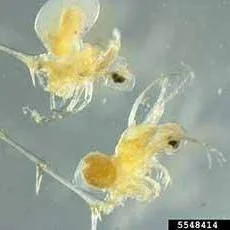
The spiny water flea is a looming threat for New Hampshire lakes. It was first discovered in Lake Winnipesaukee in 2023 and has already spread to Lake Winnisquam and Newfound Lake. Lake Winnipesaukee is already showing effects with reduced fish size and populations.
The spiny water flea acts as a fierce carnivore that eats native smaller zooplankton like Daphnia, reducing food sources for local small fish, which in turn affects birds and mammals that eat fish. They foul fishing gear and anchor lines and contribute to conditions that can favor cyanobacterial blooms. No effective method exists to remove or control populations once they establish in a body of water: once they are introduced to a lake they can’t be removed.
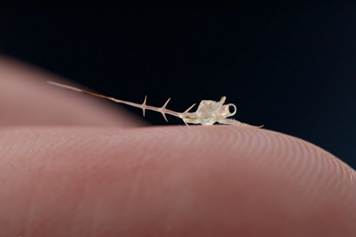
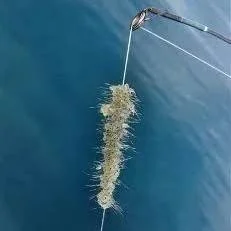
The Lake Hosts have reported that at least 4 fishing boats this season came to our lake directly from Winnipesaukee, so the potential to transfer the spiny water flea to our lake is real.
The best way to keep spiny water flea out of our lake is to:
Clean: Remove all plants, mud, and debris from your boat, trailer, and gear before leaving a waterbody.
Drain: Empty your bilge, live wells, and bait buckets completely away from the lake.
Dry: Let all gear, ropes, and equipment dry thoroughly in the sun for at least 5 days before using it in a different body of water.
Cyanobacteria
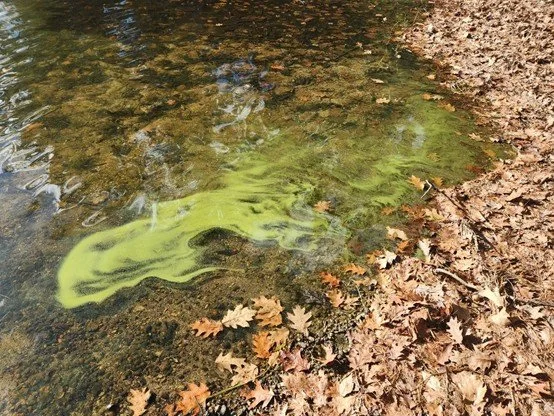
Cyanobacteria a normal component of the lake ecosystem, can form toxin-containing blooms when certain nutrients are over-abundant.
Click HERE to learn more about the growing Cyanobacteria threat in New Hampshire.
Harmless Algae
It can be difficult to differentiate between normal harmless algae and toxic cyanobacteria. See this DES Fact Sheet for tips on how to tell the difference.
Harmless algae are present in all lakes and ponds. It is important to note that algae are natural, essential and expected components of aquatic habitats. The presence of algae growth does not necessarily indicate degradation of water quality. We generally only become aware of it when it reaches nuisance levels that negatively impact aesthetics, recreation, water quality and ecological balance. Algae can appear in many forms and colors. They have no true leaves, stems or roots and reproduces by means of spores, cell division or fragmentation. They thrive on excess nutrients in the water and requires sunlight for growth.
Typical forms of algae are Filamentous, Planktonic and Macro-Algae:
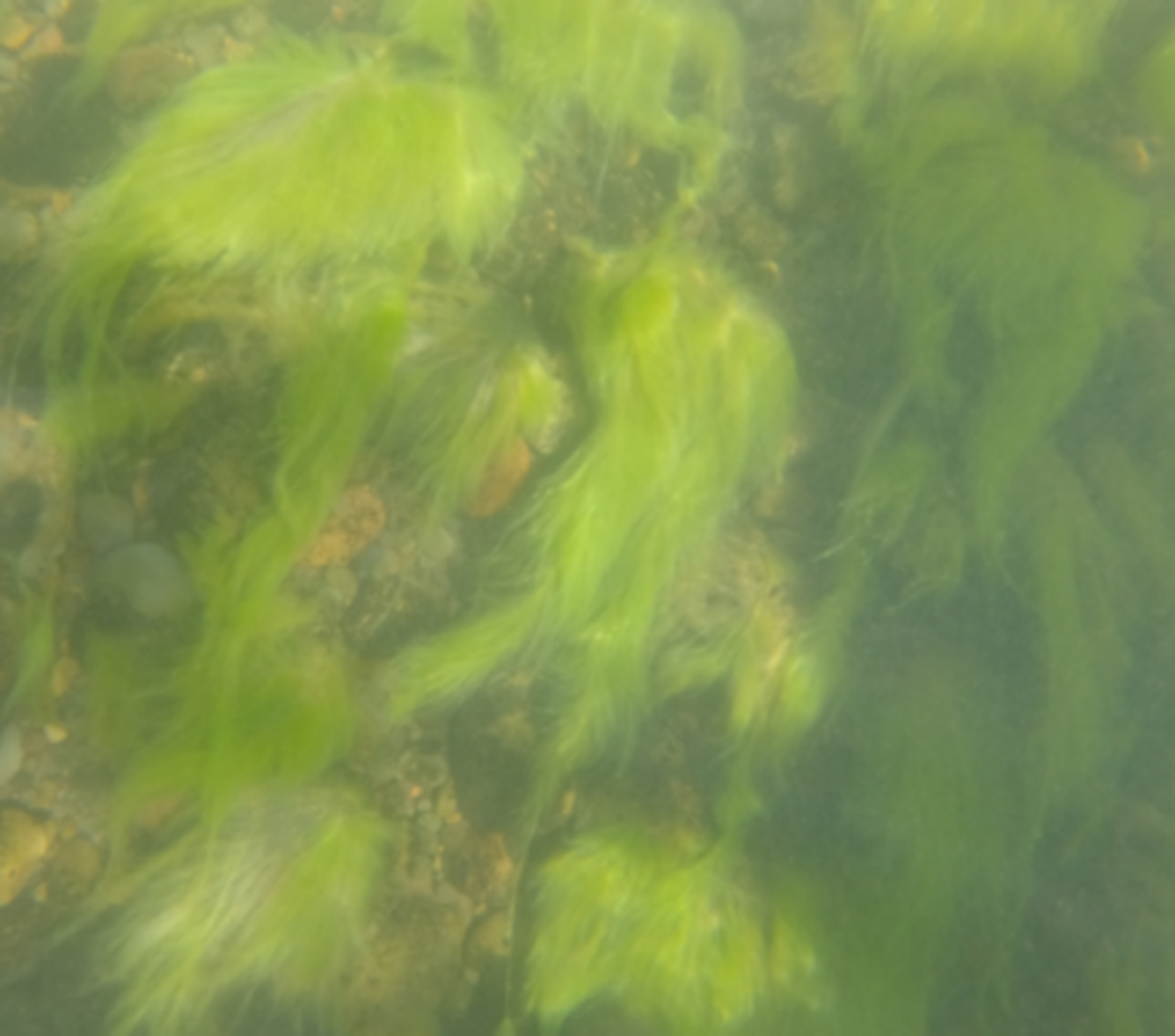
Filamentous algae patches are typically long, stringy and slimy. The patches are often bright green, but can be bleached by the sun underwater and turn brown or yellow when dying. Lake shorelines can be overcome with filamentous algae due to stagnation or high nutrient load.
Planktonic algae are microscopic organisms that range in color from light blue, green, golden, to red. They are made up of one cell or colonies of single cells. When blooming or visually dense, planktonic algae appear more like dye in the water and cannot be pulled out of the water like filamentous algae. Blooms of planktonic algae will often blow across the lake with wind and concentrate in corners or shorelines. High concentrations can result in oxygen depletion and lead to fish kills and natural die-off.
Macro-Algae are a group of algae more common in marine than freshwater systems. Seaweeds are a type of macro-algae.
Here on Contoocook Lake we generally experience sightings of filamentous algae, a harmless green algae that grows in the water, often forming large bundles or slimy masses that can be seen by eye.
However if you suspect presence of a cyanobacteria bloom, please report this condition and location on the lake to the NH Department of Environmental Services by calling (603) 848-8094 or sending an email to HAB@des.nh.gov.